Marble Atibhanga Ganesha Murti
Atibhanga Ganapati — The Deeply Curved Divine FormAtibhanga Ganesha, known in Sanskrit as Atibhanga Ganapati, depicts Lord Ganesha in the most dramatic of all sculptural postures — the Ati-bhanga or 'extreme bend'. This rare and artistically expressive form captures the deity in deep rhythmic curves of the body, conveying cosmic movement, fluid grace, and the joyful flow of divine consciousness.
Shilakrut's marble Atibhanga Ganesha portrays this devotional form with extraordinary craftsmanship — the angular bends, twisted torso, and dynamic limbs require master-level sculpting skill rarely attempted today. Carved in premium marble by Shilakrut's master artisans, each piece is a collector's devotional artwork that brings movement, energy, and rare iconographic depth to any sacred space.
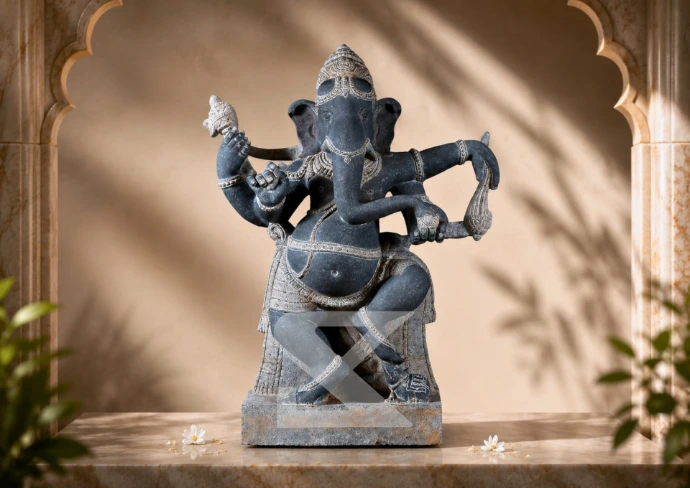
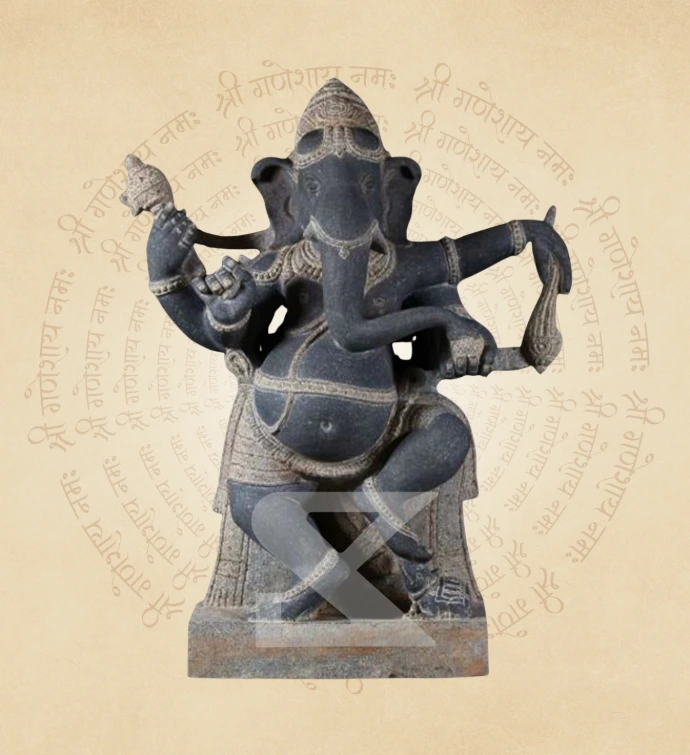
The term Atibhanga comes from classical Indian iconography, where bhanga (bend) describes the posture of sculpted deities. While Samabhanga shows perfect symmetry and Tribhanga features three bends, Atibhanga is the most expressive — featuring more than three bends, creating dramatic visual rhythm and movement. This form symbolises the dynamic, ever-flowing nature of divine consciousness.
Atibhanga Ganesha is particularly revered by serious devotees, art collectors, and spiritual seekers who appreciate iconographic depth. The dramatic posture is believed to invoke spiritual awakening, breakthrough in stagnant situations, and divine inspiration for creative or transformative life paths. The bends themselves are seen as the rhythm of life — a reminder that grace and devotion flow through every twist and turn of existence.
Atibhanga Ganesha is the form of choice for those who value iconographic depth, artistic distinction, and dramatic devotional presence — making it ideal for serious devotees, art-conscious spaces, and sacred sanctuaries.
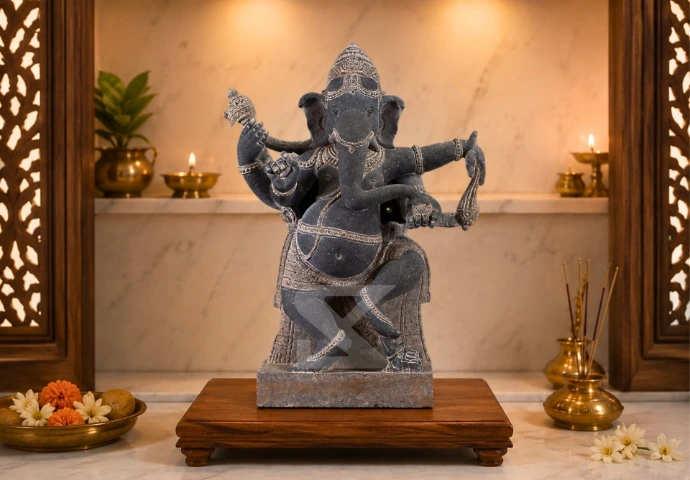
Place Atibhanga Ganesha facing North, East, or Northeast — the most auspicious directions for inviting positive energy and divine grace. The dramatic posture is best appreciated from a direct frontal angle, so a clear sightline to the murti adds to its devotional and artistic impact.
A raised chowki, marble platform, or pedestal allows the deep bends and rhythmic curves of the form to be fully visible and admired. Ensure ample space around the murti — the expressive posture needs visual breathing room to convey its full grandeur. Soft directional lighting enhances the play of light and shadow on the curved surfaces.
Common questions about Atibhanga Ganesha — meaning, iconography, placement, and ordering.
Atibhanga Ganesha (अतिभंग गणपति) is a rare and artistically expressive form of Lord Ganesha depicted in the Ati-bhanga posture — meaning 'extreme bend'. In classical Indian iconography, this is the most dynamic of all sculptural stances, featuring multiple body bends that convey movement, rhythm, and the flowing nature of divine consciousness. It is a sought-after form for devotees who value deep iconographic authenticity.
Indian sculpture uses three primary postures: Samabhanga (perfectly symmetrical and upright), Tribhanga (three gentle bends — neck, waist, and knee), and Atibhanga (more than three bends, dramatic and expressive). Atibhanga is the most artistically challenging form to sculpt and the most visually dynamic — making it a rare and prized expression of devotional art.
Place Atibhanga Ganesha in the North, East, or Northeast direction. Due to the expressive posture, it is particularly suited for display in spaces with clear sightlines — personal mandirs, meditation halls, art-led sacred corners, and temple installations. Avoid placing it in cramped corners where the form's full visual rhythm cannot be appreciated. Also avoid bedrooms or areas near restrooms.
Yes — Atibhanga Ganesha is fully suitable for home worship and is especially appreciated by devotees who connect deeply with iconographic tradition. While simpler forms like Bal Ganesha or Lalitasan are popular for daily pooja, Atibhanga Ganesha offers a richer, more artistic devotional presence and is treasured by those seeking both spiritual significance and sculptural distinction in their sacred space.
Atibhanga Ganesha benefits from slightly larger sizes — 1.5–2.5 ft is ideal for home mandirs and personal devotional corners where the rhythmic posture can be fully appreciated. For temple installations, art galleries, or large halls, sizes of 3 ft and above create a commanding devotional and artistic presence. The dramatic bends of this form translate most powerfully at these sizes.
Each Atibhanga Ganesha is hand-sculpted by Shilakrut's master artisans with 50+ years of legacy. The extreme bends, twisted torso, and dynamic limbs require advanced sculpting skills — a level of craftsmanship rarely attempted in modern murti-making. Every piece undergoes meticulous detailing, refinement, and multi-stage quality checks. Customisation in size, finish, posture interpretation, and pedestal design is available — share the SKU code via WhatsApp or email for tailored options.
Discover the complete range of marble Ganesha designs at Shilakrut.
Share the SKU code with our team and we'll reach out with complete details — sizes, pricing, customisation, and delivery timelines for this rare devotional artwork.
Marble Atibhanga Ganesha Murti
Atibhanga Ganapati — The Deeply Curved Divine FormAtibhanga Ganesha, known in Sanskrit as Atibhanga Ganapati, depicts Lord Ganesha in the most dramatic of all sculptural postures — the Ati-bhanga or 'extreme bend'. This rare and artistically expressive form captures the deity in deep rhythmic curves of the body, conveying cosmic movement, fluid grace, and the joyful flow of divine consciousness.
Shilakrut's marble Atibhanga Ganesha portrays this devotional form with extraordinary craftsmanship — the angular bends, twisted torso, and dynamic limbs require master-level sculpting skill rarely attempted today. Carved in premium marble by Shilakrut's master artisans, each piece is a collector's devotional artwork that brings movement, energy, and rare iconographic depth to any sacred space.
The term Atibhanga comes from classical Indian iconography, where bhanga (bend) describes the posture of sculpted deities. While Samabhanga shows perfect symmetry and Tribhanga features three bends, Atibhanga is the most expressive — featuring more than three bends, creating dramatic visual rhythm and movement. This form symbolises the dynamic, ever-flowing nature of divine consciousness.
Atibhanga Ganesha is particularly revered by serious devotees, art collectors, and spiritual seekers who appreciate iconographic depth. The dramatic posture is believed to invoke spiritual awakening, breakthrough in stagnant situations, and divine inspiration for creative or transformative life paths. The bends themselves are seen as the rhythm of life — a reminder that grace and devotion flow through every twist and turn of existence.
Atibhanga Ganesha is the form of choice for those who value iconographic depth, artistic distinction, and dramatic devotional presence — making it ideal for serious devotees, art-conscious spaces, and sacred sanctuaries.
Place Atibhanga Ganesha facing North, East, or Northeast — the most auspicious directions for inviting positive energy and divine grace. The dramatic posture is best appreciated from a direct frontal angle, so a clear sightline to the murti adds to its devotional and artistic impact.
A raised chowki, marble platform, or pedestal allows the deep bends and rhythmic curves of the form to be fully visible and admired. Ensure ample space around the murti — the expressive posture needs visual breathing room to convey its full grandeur. Soft directional lighting enhances the play of light and shadow on the curved surfaces.
Common questions about Atibhanga Ganesha — meaning, iconography, placement, and ordering.
Atibhanga Ganesha (अतिभंग गणपति) is a rare and artistically expressive form of Lord Ganesha depicted in the Ati-bhanga posture — meaning 'extreme bend'. In classical Indian iconography, this is the most dynamic of all sculptural stances, featuring multiple body bends that convey movement, rhythm, and the flowing nature of divine consciousness. It is a sought-after form for devotees who value deep iconographic authenticity.
Indian sculpture uses three primary postures: Samabhanga (perfectly symmetrical and upright), Tribhanga (three gentle bends — neck, waist, and knee), and Atibhanga (more than three bends, dramatic and expressive). Atibhanga is the most artistically challenging form to sculpt and the most visually dynamic — making it a rare and prized expression of devotional art.
Place Atibhanga Ganesha in the North, East, or Northeast direction. Due to the expressive posture, it is particularly suited for display in spaces with clear sightlines — personal mandirs, meditation halls, art-led sacred corners, and temple installations. Avoid placing it in cramped corners where the form's full visual rhythm cannot be appreciated. Also avoid bedrooms or areas near restrooms.
Yes — Atibhanga Ganesha is fully suitable for home worship and is especially appreciated by devotees who connect deeply with iconographic tradition. While simpler forms like Bal Ganesha or Lalitasan are popular for daily pooja, Atibhanga Ganesha offers a richer, more artistic devotional presence and is treasured by those seeking both spiritual significance and sculptural distinction in their sacred space.
Atibhanga Ganesha benefits from slightly larger sizes — 1.5–2.5 ft is ideal for home mandirs and personal devotional corners where the rhythmic posture can be fully appreciated. For temple installations, art galleries, or large halls, sizes of 3 ft and above create a commanding devotional and artistic presence. The dramatic bends of this form translate most powerfully at these sizes.
Each Atibhanga Ganesha is hand-sculpted by Shilakrut's master artisans with 50+ years of legacy. The extreme bends, twisted torso, and dynamic limbs require advanced sculpting skills — a level of craftsmanship rarely attempted in modern murti-making. Every piece undergoes meticulous detailing, refinement, and multi-stage quality checks. Customisation in size, finish, posture interpretation, and pedestal design is available — share the SKU code via WhatsApp or email for tailored options.
Discover the complete range of marble Ganesha designs at Shilakrut.
Share the SKU code with our team and we'll reach out with complete details — sizes, pricing, customisation, and delivery timelines for this rare devotional artwork.